The Grétry pistol
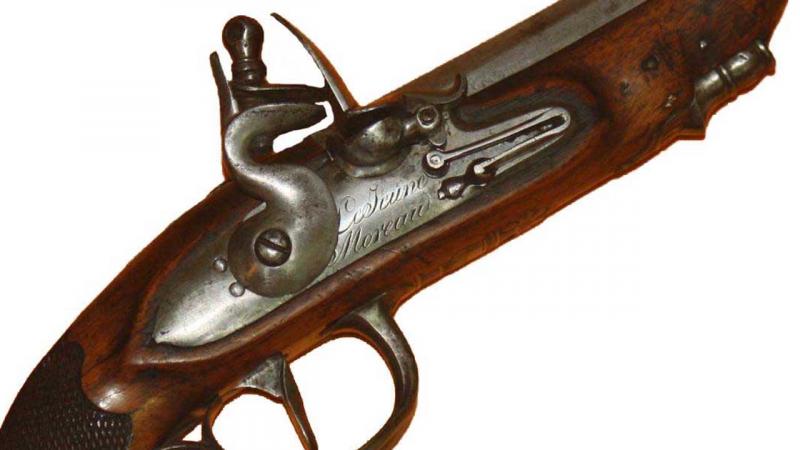
The Grétry Museum preserves a flintlock pistol. Details about how and when it was acquired are unknown. Nonetheless, the weapon is traditionally attributed to the famous Liège musician, André-Modeste Grétry.
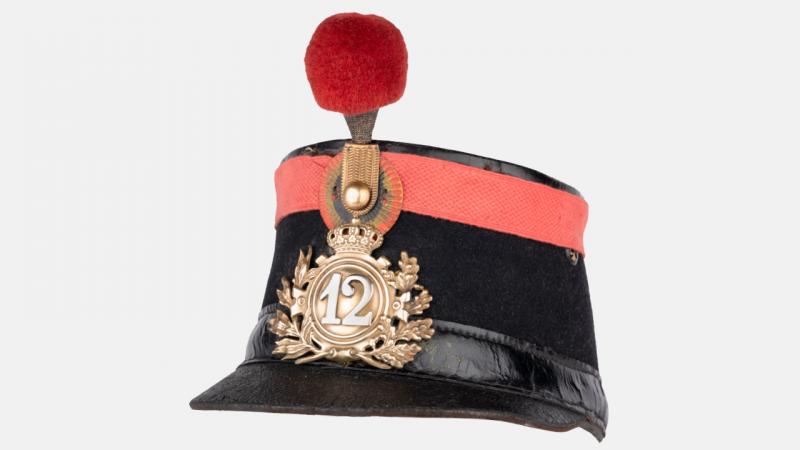
The Grand Curtius in Liège presents "To the avant-garde! The 12th battalion", the history of the oldest defence department. The 12th battalion – Prince Léopold's 13th battalion, which today has its barracks in Spa, was born with Belgium.
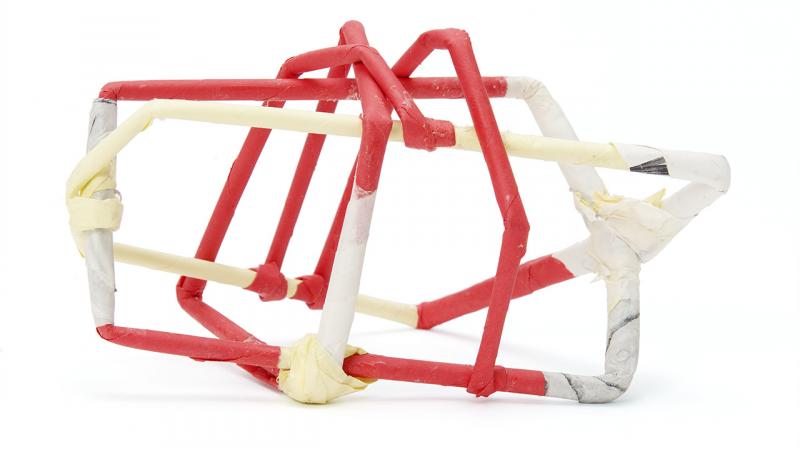
Jeremy Burleson has been attending NIAD's National Institute of Art and Disabilities in Richmond (California, USA) since 2003.
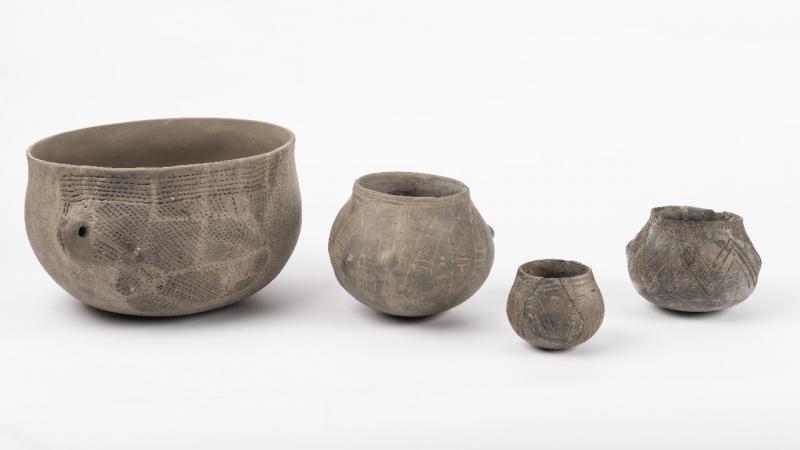
At the end of June 1862, workers who were extracting sand from a small quarry in Omal (Geer, Liège) accidentally discovered the funeral furniture of a rich Gallo-Roman grave one or two metres beneath the ground. It was located near the ancient Roman Bavay-Tongeren road. The tomb, which was about 100 metres south of the four aligned Omal tombs (Fig. 1), was approximately north-south oriented, like the previous examples. It may originally have been covered with a mound, putting one in mind of a bulge in the ground.
The Curtius Museum hosts a remarkable exhibition of pieces by the Antheit artist Paul Delvaux (1897–1994). The “From tomorrow to Delvaux” exhibition inaugurates the Grand Curtius’ temporary exhibition halls. The exhibition showcases Paul Delvaux’s favourite domain: stations, trains and trams. The exhibition will present an exceptional collection of paintings, watercolours, sketches and artefacts that belonged to Delvaux. The pieces that are exhibited come from museums in Belgium and overseas (including Japan and USA), the Delvaux Foundation in Saint-Idesbald and private collections.