Japonism and Art Nouveau
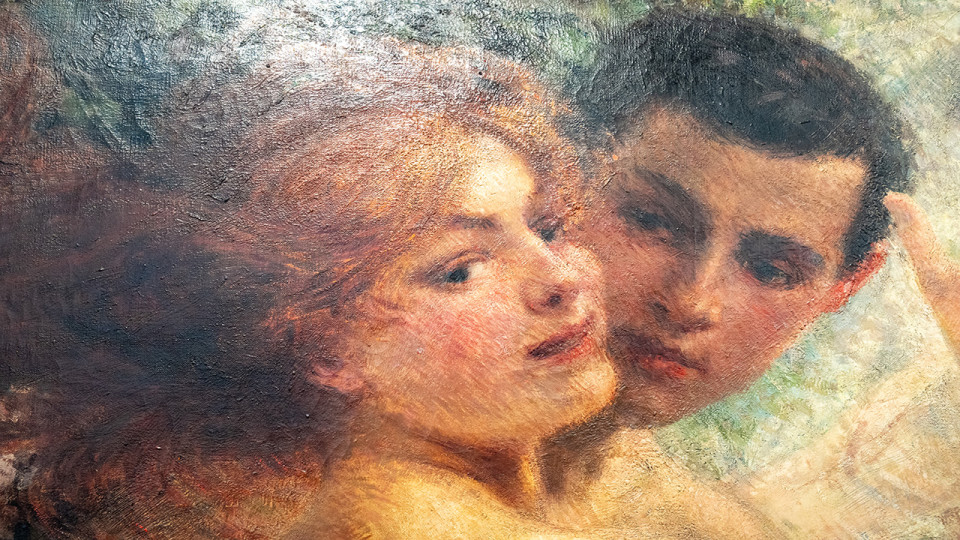
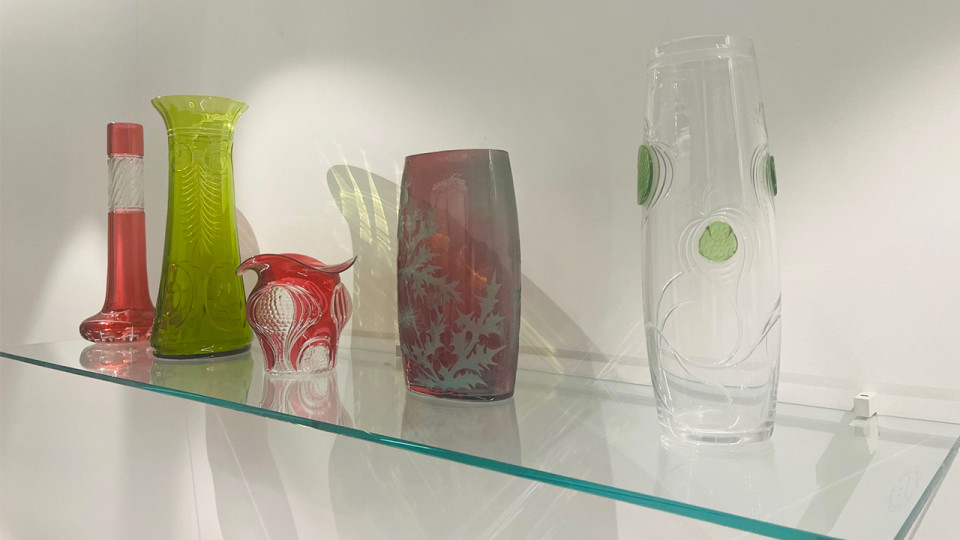
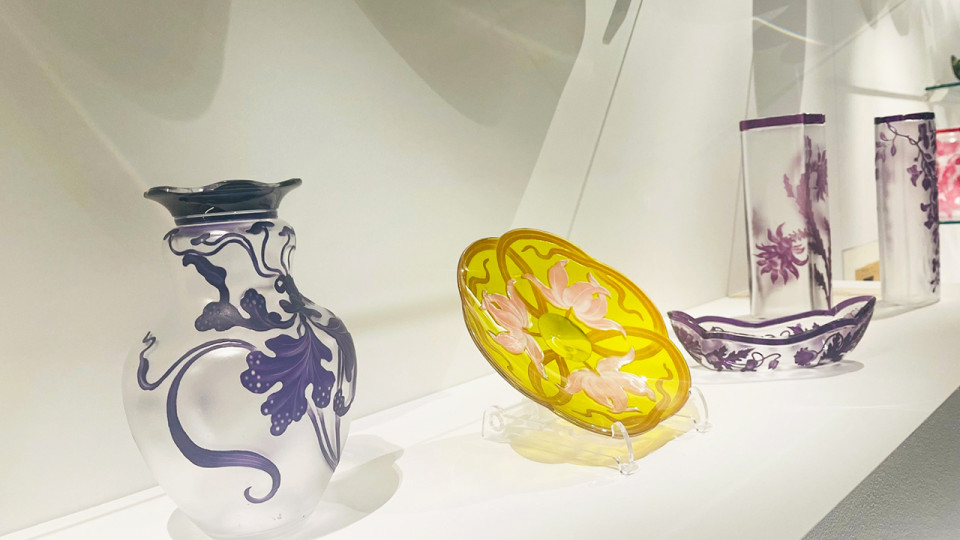
Japonisme and Art Nouveau exhibition - Bicentenary of the Val Saint Lambert glassworks (1826-2026) at the Grand Curtius Museum from April 17, 2026 > September 27, 2026
Celebrating one of Belgium's finest industrial and artistic achievements
In the spring of 1826, the Val Saint Lambert glassworks fired up its first oven, marking the start of a magnificent human, commercial, technical and artistic endeavour, which would reach its peak during the Belle Époque era. By delving into the history and highlights of the Val Saint Lambert glassworks, we gain a better appreciation of its prominence in Belgium's industrial and artistic history, as well as its significance in terms of a collective identity. With this in mind, the Grand Curtius Museum in Liège has partnered with other scientific museums and institutions to organise an event marking the "Bicentenary of the Val Saint Lambert glassworks", which will be held in different venues to celebrate the history and artistic quality of this famous glass production.
From 1880 to 1914, the glassworks' golden age
From the 1880s to the outbreak of the Great War, Val Saint Lambert stunned the world with its glass production: some 5,000 workers busied themselves behind the factory's walls, manning cutting-edge machinery to produce glassware that was sold all over the world and featured in every international exposition (including Antwerp in 1894 and Turin in 1902).
Japonisme and Art Nouveau
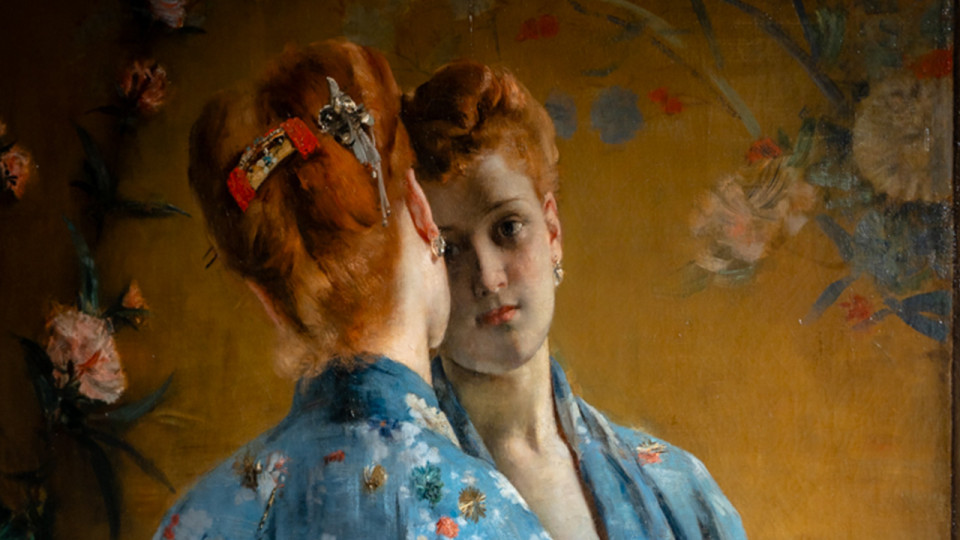
With the discovery of Asian art, in the 1880s, universal exhibitions, along with an emerging trade in eastern or eastern-looking art, paved the way for the production of beautiful glassware inspired by Japanese art. Vases of hyalite (a form of opal), generally made of black glass, provided a gilded backdrop to enhance paintings depicting scenes of Japanese inspiration (geishas, landscapes).
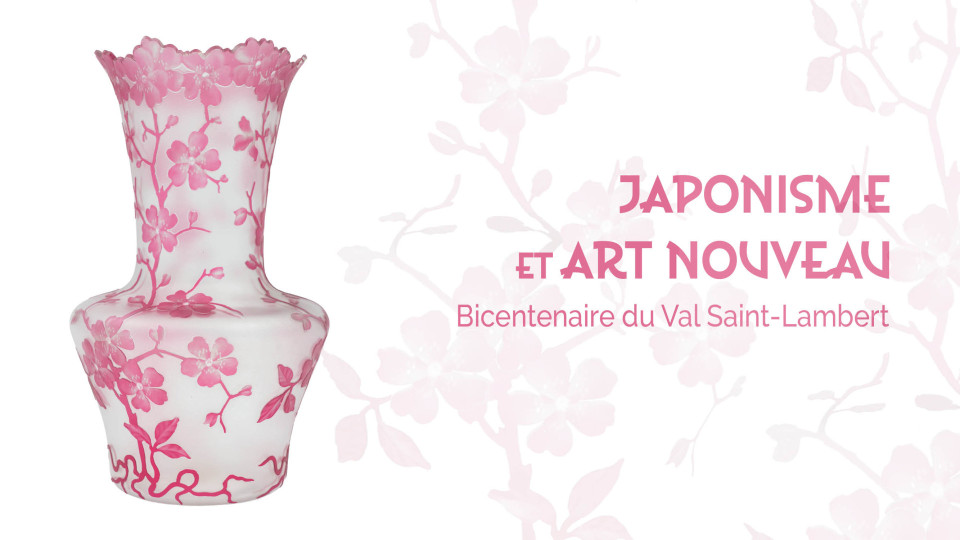
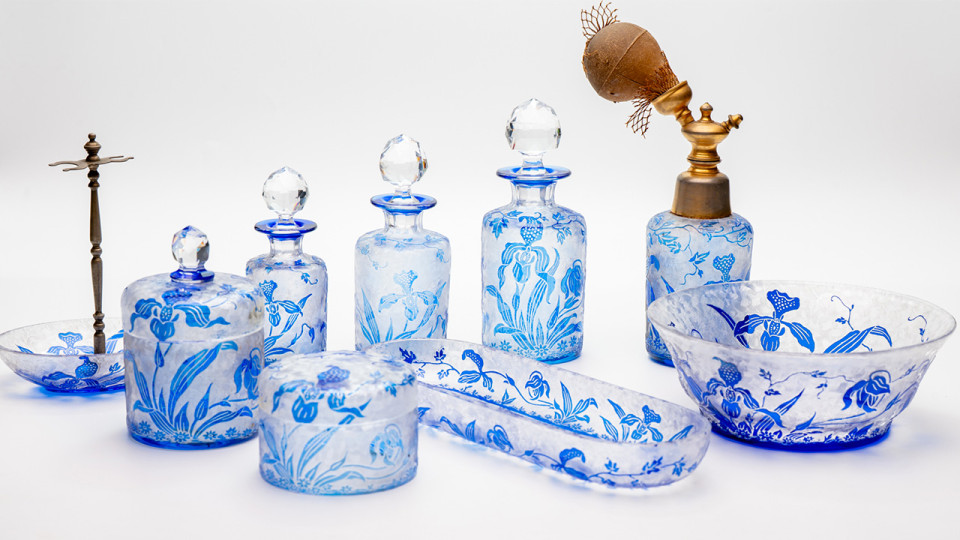
The uniqueness of the Art Nouveau style developed at Val Saint Lambert resides in its resolutely modern range, which started to emerge in 1897 under the artistic leadership of Léon Ledru (Paris 1855 - Liège 1926). This famous designer was hired by the glassworks in 1888 and was promoted to head the creative department in 1897. His creations, featuring bold colours, progressive shapes, and dynamic curved designs, aligned with the aesthetic trends that were being followed by Belgian architects (Van de Velde). The 1897 universal exhibition in Brussels shone a light on his unique and novel creations. In parallel, he designed numerous pieces decorated with delicately coloured floral patterns that underwent an acid etching process.
Furthermore, sophisticated creations, reminiscent of the beautiful floral style favoured by Émile Gallé (the father of Art Nouveau in Nancy) were being produced in the workshop of the Muller brothers (Eugène and Désiré), two artists from Lorraine who joined the glassworks in the early 20th century. These high-end ranges show how very different styles and techniques were being developed within the glassworks.
The exhibition at the Grand Curtius Museum
With these magnificent creations spanning from 1880 to 1914, the exhibition highlights the importance and originality of the glassworks' creative department, as well as the technical mastery of its glassmakers. Together, they brought the company to international renown. An artist without equal and a lover of Asian and Asian-inspired art, Léon Ledru was possessed with an energetic personality and was known to move in the artistic circles of Paris and Liège. The exhibition places a particular focus on his career.
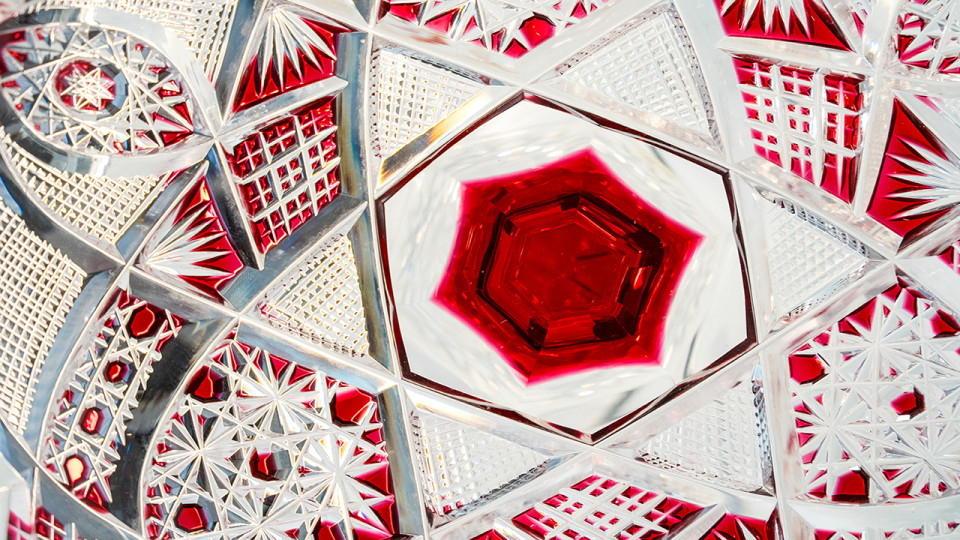
Some 150 works, combining incredible beauty and the techniques that were tested and developed during this period at Val Saint Lambert, await your visit. The exhibition features creations, some yet unseen, belonging to the Grand Curtius Museum, along with pieces on loan from private collections. The exhibition also includes creations from the Belle Époque era provided by different musuems of Liège: paintings, posters, furniture... Beyond these magnificent works of art, Art Nouveau extended its influence to other aspects of daily life: culinary arts, sanitary products and cosmetics (toilet sets), decorative elements and even light fixtures, as electricity, the marvel of the day, started appearing in homes.
Partners
An exhibition organised in collaboration with numerous partners who, through the loan of works, their support, and the organisation of exhibitions and events, are also celebrating this bicentenary.
Programme
Many animations and side events are being prepared for visitors of all ages by the event-planning departments of local museums and will be held throughout the exhibition.
Useful information
- "Japonisme and Art Nouveau" exhibition - Bicentenary of the Val Saint Lambert glassworks
- From April 17 to September 27, 2026
- From Monday to Sunday, 10:00 AM to 06:00 PM. Closed on Tuesdays and on May 1
- Grand Curtius Museum - Féronstrée, 136 – 4000 Liège
- Prices: Exhibition ticket - Combined exhibition and permanent collection ticket
Visuals
- Source: Natal vase, with violet design, Val Saint Lambert, circa 1900, signed: Val St Lambart (engraved under the foot), colourless crystal with pink hue, mould-blown glass, acid etched.
- Toiletries set by Léon Ledru
- Painting ‘La Parisienne japonaise’ by Alfred Stevens
- Photos of the exhibition hall
Copyright of the poster and photographs: City of Liège – Grand Curtius