Virtuous Spa water and its bottles
Virtuous Spa water and its bottles
Healing powers
Spa’s springs were already known to the 1st-century AD Latin scholar and author Pliny the Elder but were rediscovered in the middle of the 16th century by Gilbert Fusch, who was a German-born physician and a member of the court of Liège. In 1559, he published a work written in Latin and translated into several languages, under the title “The acidic fountains in the Ardennes Forest and chiefly the one in Spa”.
The ferruginous waters of Pouhon, in the heart of the village, and those of Sauvenière, near Spa, are “acidic” because of their mineral content and were recommended by doctors for their purgative, laxative and diuretic qualities: “they open up the body’s ducts”. They were used for a variety of therapeutic indications: purging melancholy and phlegm, evacuation of kidney and bladder stones, a remedy against sterility, curing skin problems, eliminating gout and curing venereal diseases. This water is ideal for baths, applications, various injections and drinking. Spa water was also deemed to be preventive: newlyweds and lovers went to the thermal fountains with pleasure...
In the 17th century, Henri de Heer, a famous physician in the episcopal court, also examined the waters of Spa and set out his findings in the work published in 1614, “Spadacrene” (the fountains of Spa). Like a bestseller, the work was updated and republished until the middle of the 18th century.
Balneology in Spa? Or ‘home’ therapy?
All these tracts on spa waters and good habits were intended for doctors and people taking the waters. This is how the ritual process of balneology in Spa, aimed at the socio-economic elite, came into being, as the pleasures of Spa’s waters dedicated to the aristocracy in the Age of Enlightenment developed.
Celebrities came to Spa for therapy and the most well-known among them was Russian Tzar Peter the Great who visited in 1717. Others, such as French king Henri III, in the 16th century, and especially the King of England Georges II, in the 18th century, had this regenerative water brought to them. The international trade of bottled Spa water experienced ceaseless success from the 17th century and is still popular today.
Unique bottles
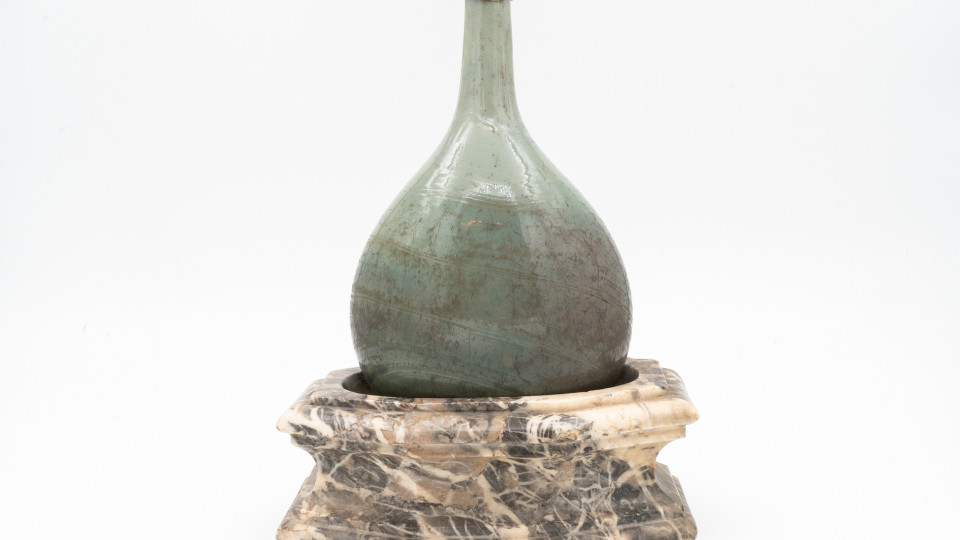
The waters of Spa were the ultimate export product and helped to boost the bottling industry. Most of the regional glassmakers (in Bonhomme, Nizet, Amblève, Chênée, etc.) intensively manufactured these dark glass bottles with rounded bottoms that prevented any iron deposits. As a result of their shape, the bottles were presented on a wooden, metal or stone base.
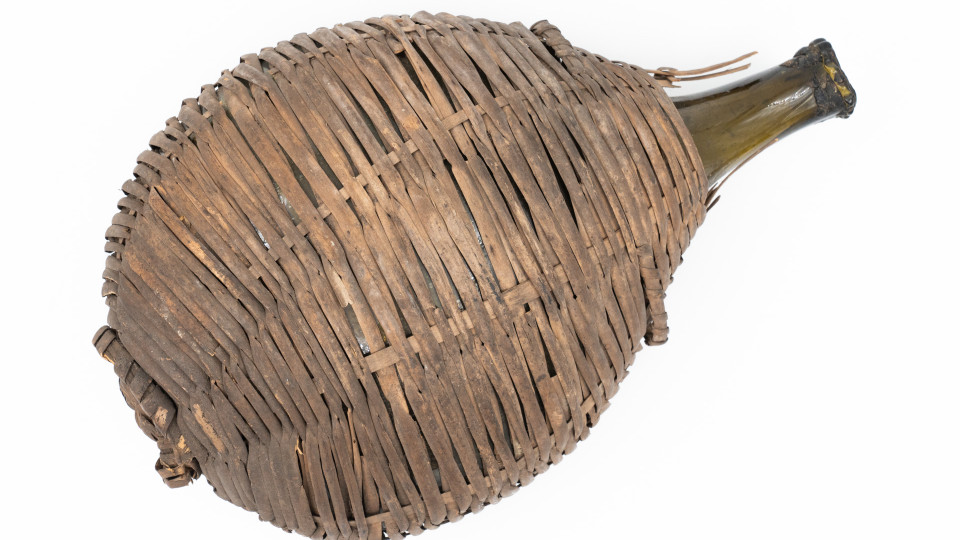
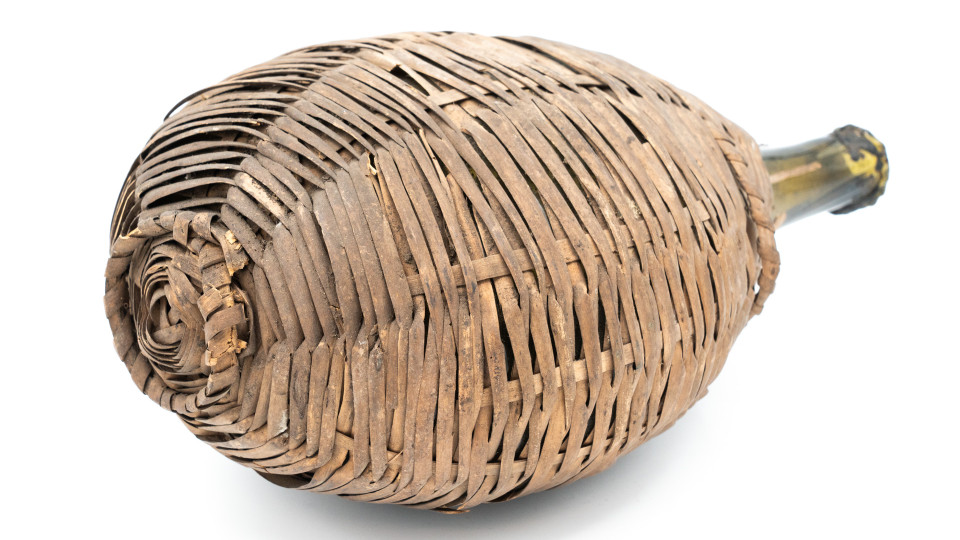
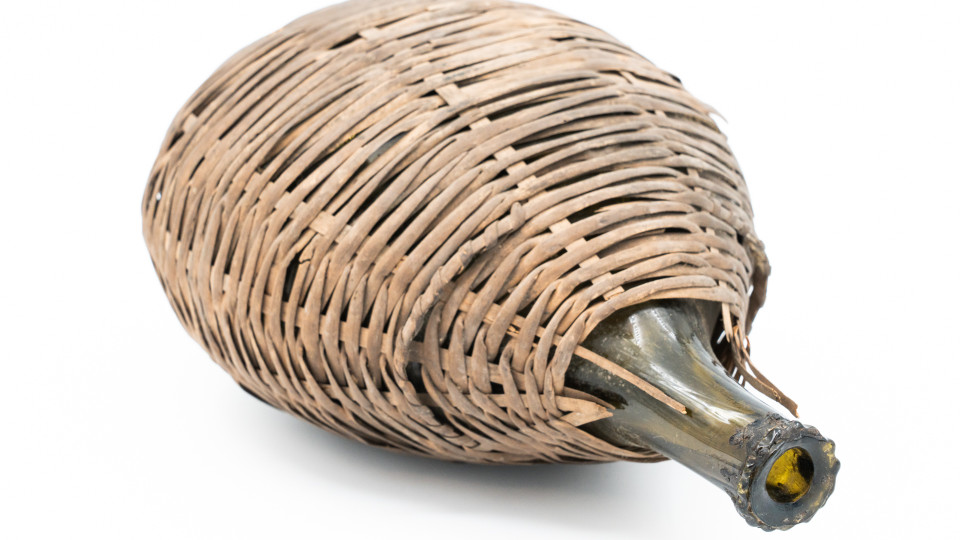
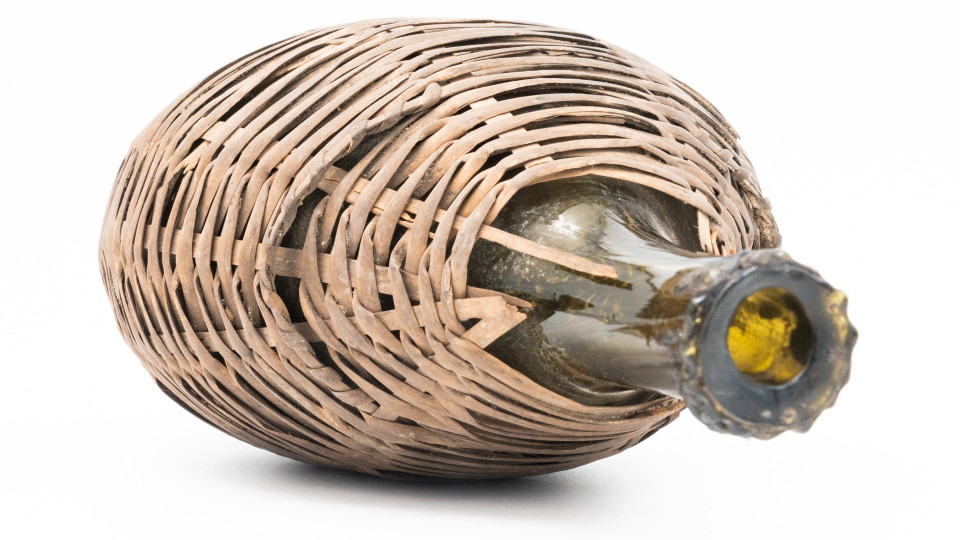
At the end of the 16th century, the water was exported to surrounding regions but in the 18th and 19th centuries it reached all of Europe and even South America. In particular, according to archives, English nobles fond of Grand Tours* and the ‘eauwe de Spa’ or ‘German Spa’ imported thousands of bottles from Liège in the 18th century. The bottles intended for export were often protected by wicker baskets and tressed rushes to absorb any impacts during transport.
Isabelle Verhoeven, Curator of the Glassware Department at the Grand Curtius
*Long voyages through continental Europe by the English elite in the 18th century.
Videos of the bottles:

Find out more:
Ch. Fontaine-Hodiamont, “Le verre ancien : principes de conservation, d’exposition et d’entretien (Antique glass: principles of conservation, display and care)”, IRPA, Brussels, 2018.
W. Van den Bossche, “Antique Glass Bottles - Their History and Evolution (1500-1850) - A Comprehensive, Illustrated Guide - With a World-wide Bibliography of Glass Bottles”, 2001.
G. Xhayet, “De la Spadacrene (1614) aux Fontaines de Spa (1616) : un traité liégeois de thermalisme et sa version vulgarisée (From the Spadacrene (1614) to the Fountains of Spa (1616): a Liège treatise on balneology and its popularised version)”. Histoire des Sciences Médicales (history of medical science), 2015, 49 (2), p. 279-287.
G. Xhayet & R. Halleux, “Ernest de Bavière (1554-1612) et son temps : l'automne flamboyant de la Renaissance entre Meuse et Rhin (Ernest of Bavaria (1554-1612) and his era: the flamboyant autumn of the Renaissance between the Meuse and the Rhine)”, 2011, Turnhout, p. 79-89.
Notices
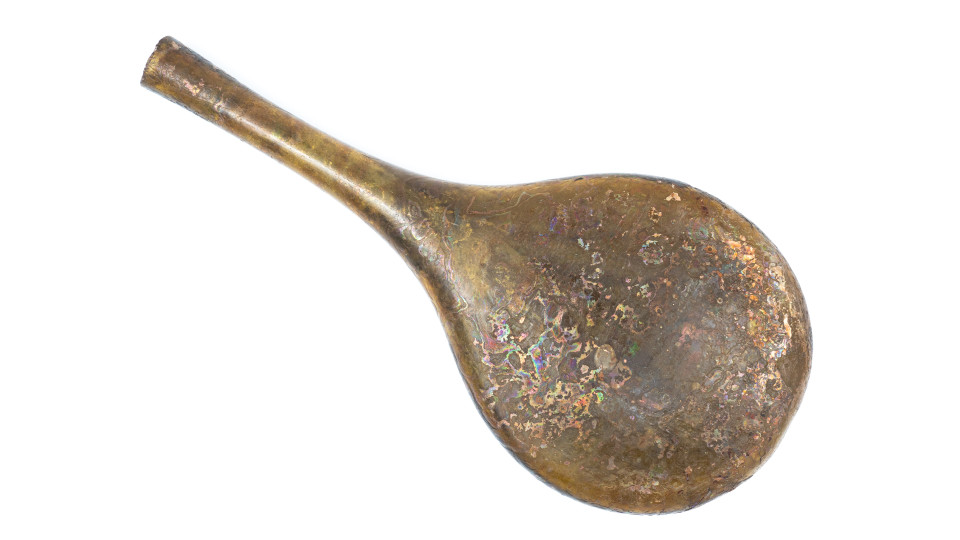
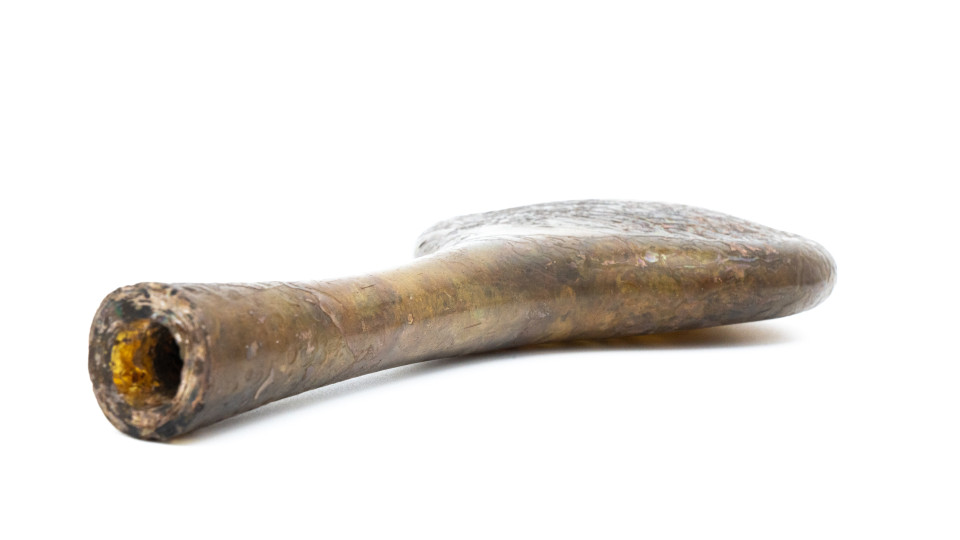
A bottle of Spa water
18th century, brownish blown glass, 32.1 cm
Inventory No.: I/1368
This glass is highly iridescent and its surface reflects colours of the light spectrum. As attractive as this may appear, iridescence points to the fragility of the glass, which is more or less exfoliated. Iridescence indicates that decomposition of the material has begun through stratification. Treatment by the IRPA (the Belgian royal institute for artistic heritage) enabled consolidation of the bottle’s surface.
Bottle of Spa water protected by wicker
18th century, green glass, 26.1 cm
Inventory No.: 55/33
Woven rushes are an organic material and deteriorate rapidly in unstable environments. In the past, excessive humidity altered and weakened the packaging.
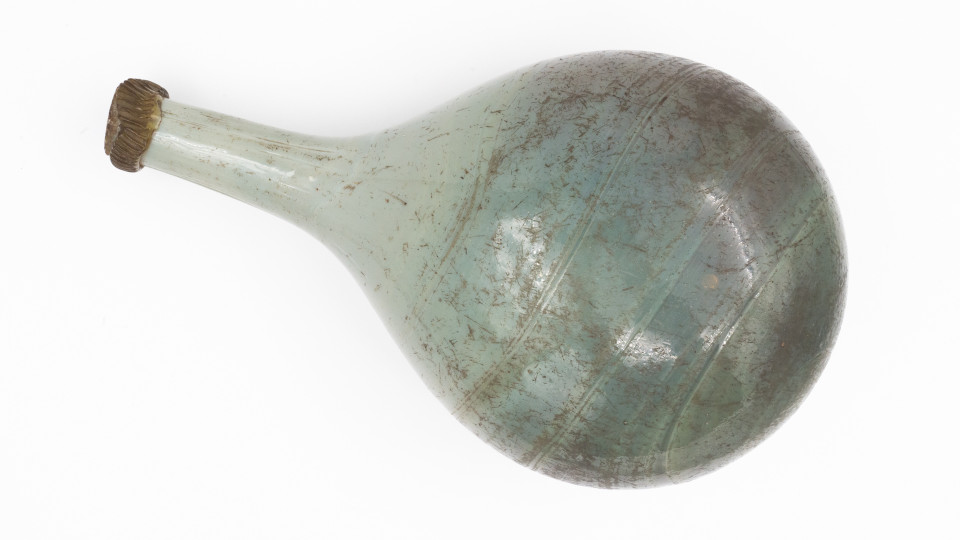
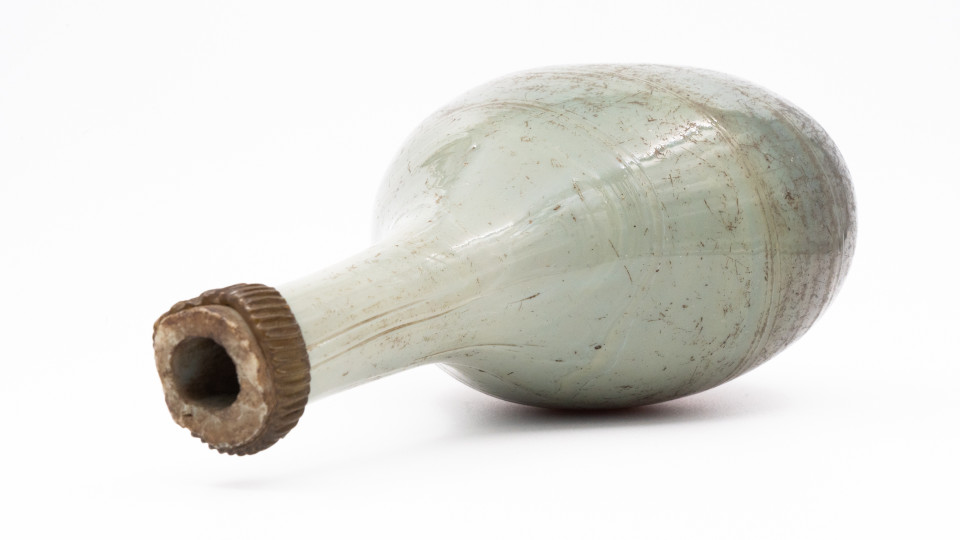
Bottle of Spa water
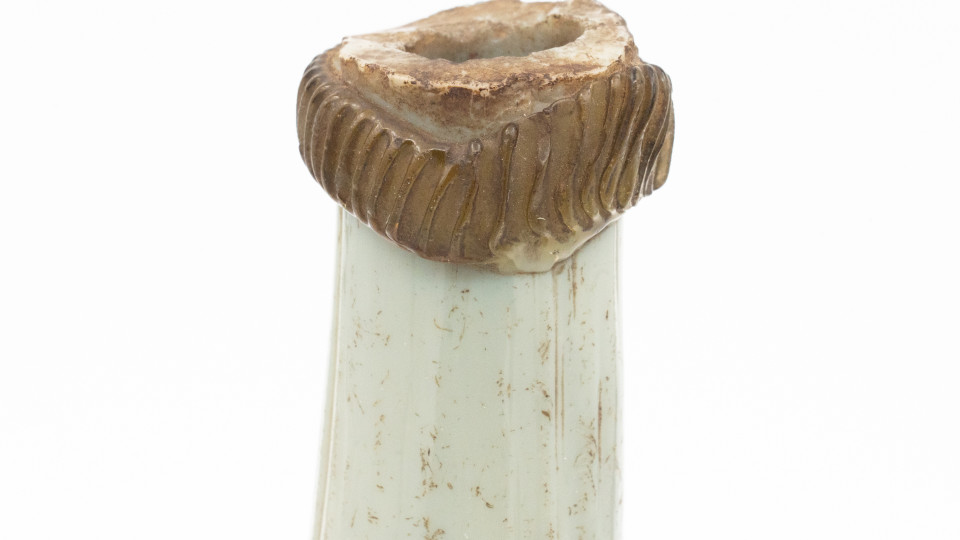
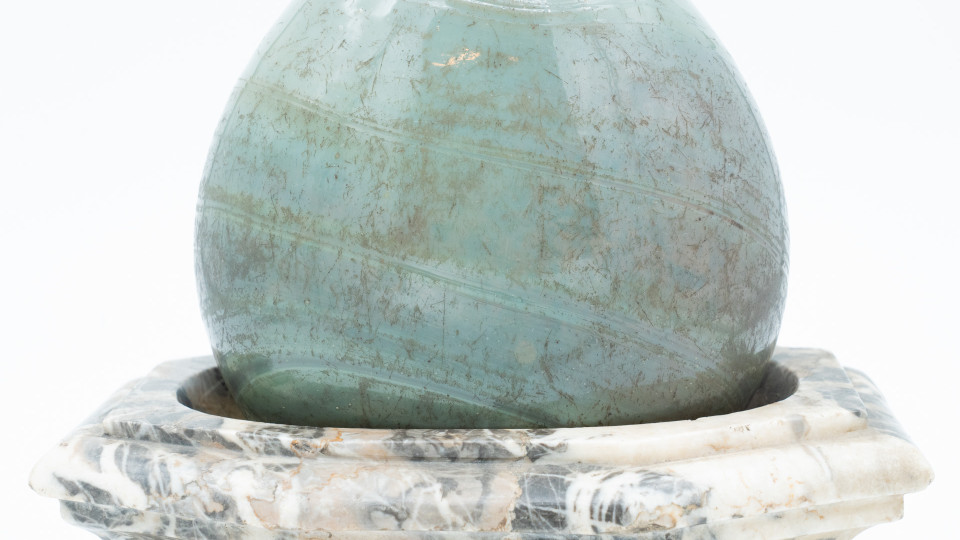
18th century, blown grey-turquoise opaque glass, heat-applied cord around the neck, 25 cm
Inventory No.: B/2149
The shape and colour of the bottle indicate that it was made at low cost. During the firing process, the scoria changed the appearance of the glass, which was initially intended to be a transparent dark green.
Visuals
Bottles, 17th or 18th century – Glassware Department, Grand Curtius - Copyright: City of Liège - Grand Curtius