SANTIAGO CALATRAVA: ARCHITECT, SCULPTOR, CERAMIST
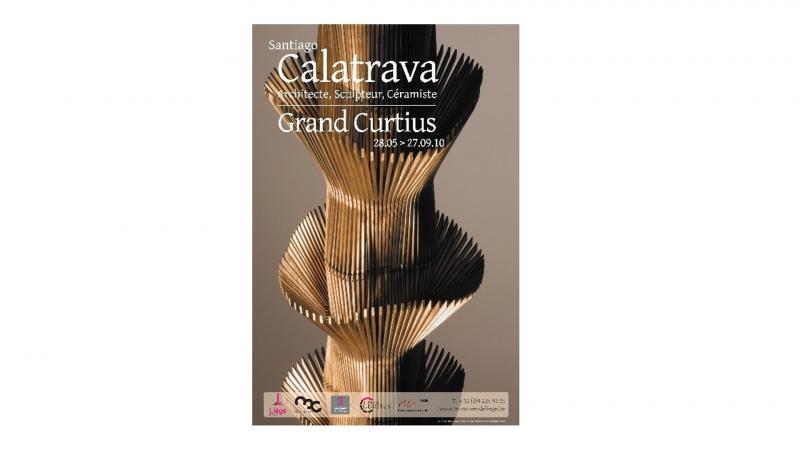
This exhibition at the Grand Curtius museum is the chance to uncover little-known aspects of the visual talent of the architect Santiago Calatrava.
With more than 120 works from public and private collections – both Belgian and European – this Liège retrospective brings together the various facets of Raoul Ubac's talent, from his first surrealism-inspired photographs to the last cut stone, which was unfinished at the time of the artist's death in 1985.
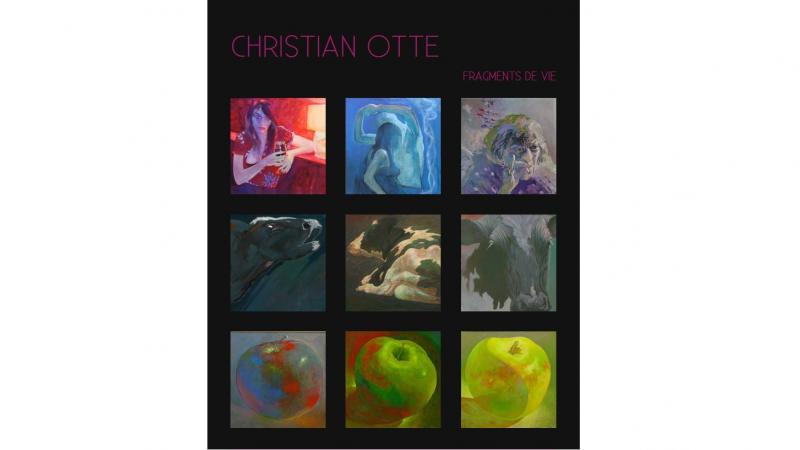
"For a long time, my painting has expressed my warped relationship with the human being, this creature that is as hateful as it is admirable, both repulsive and attractive, frightful and adorable, in its behaviours and aspirations. […] I became tired of man and depicting him, when I discovered a fondness for the cow.
Born in Dalhem in 1919, José Fosty was destined for an artistic career but, at the age of 19, he enlisted. Wounded, he was evacuated to Paris; then, at the time of the Belgian capitulation, he returned to Brussels and joined the information and actions service of the resistance known as "Braverie".
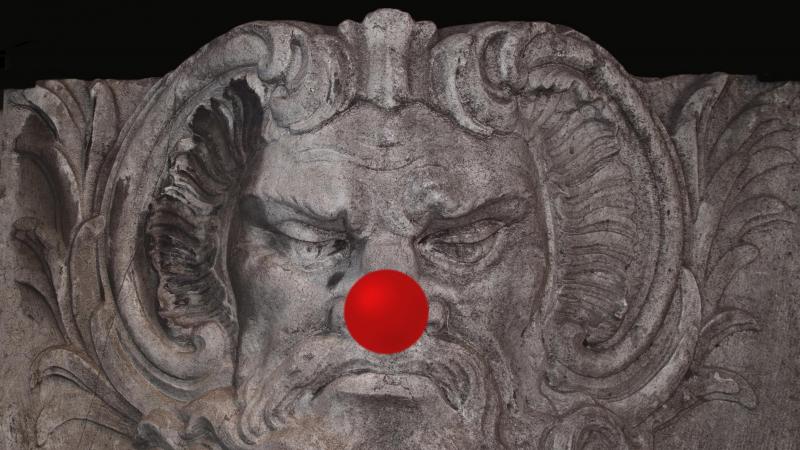
This class project was developed over the year and is based on the appropriation and reinterpretation of the Grand Curtius, its buildings and its collections.
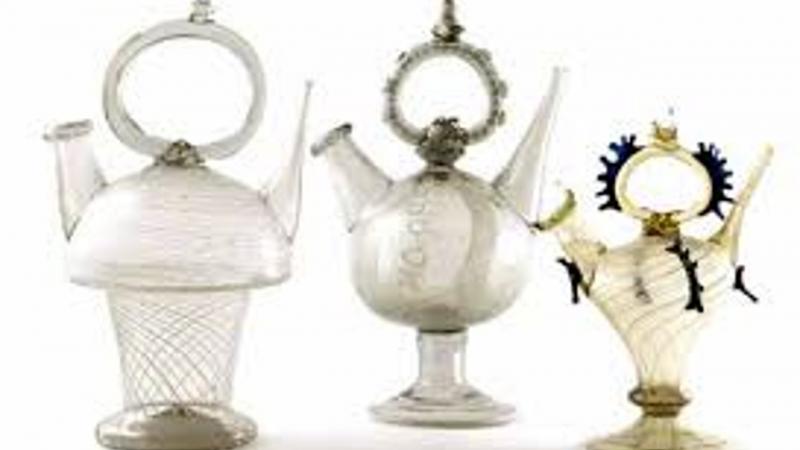
For more than 5,000 years, glass has been one of the most difficult materials for man to master. The "Venetian Frenzy – Spanish Glass from the 16th to the 18th Century" exhibition offers a selection of more than 200 Spanish glass art objects, the result of a fusion between "Venice-style" glass and local shapes and decorations
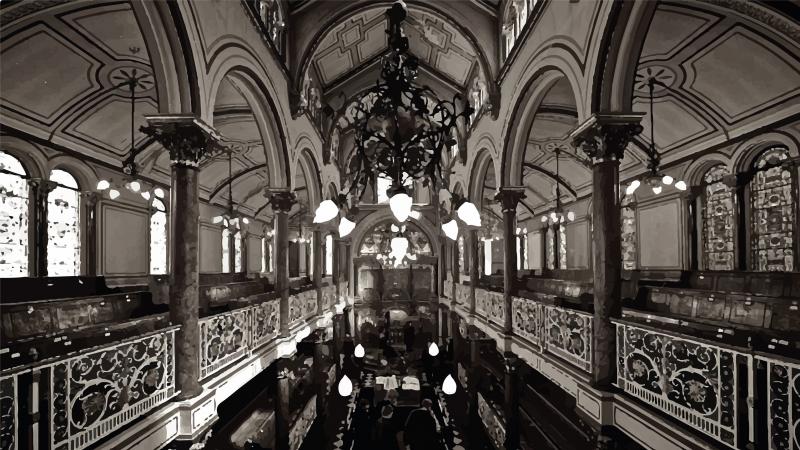
Most of the pieces that will be exhibited at the Grand Curtius in Liège between 8 June and 20 August 2012 come from the private collection of Isy Halpern. An antiques dealer from Liège, who has been passionate about history for more than thirty years, he "hunts" and – driven by his passion for Jewish history – has built up a significant collection of objects that evoke the great moments of Judaism through their variety and the diversity of their origins, from its glory days to its major tribulations.
Luis Salazar is certainly THE Liège painter when it comes to forms and colour. Always faithful to the same aesthetic choices, he understands how to use unique and recognisable pictorial language.
Liège, the 1930s. Joseph and Chaia Wygocki, who did not return from Auschwitz. © Coll. Sophie Kornowski, Dannes-Camiers Fund. Approximately ten years ago, sons and grandsons of former Jewish deportees from the Liège region in the camps of northern France committed themselves to keeping the memory of this tragic episode alive.
Both police and photography are lawful forces: one through its attempts to maintain order and the other through its technique and power to bear witness. It is no wonder, then, that they came together and that investigative work quickly came to view the photo as a valuable tool for determining facts and establishing evidence.